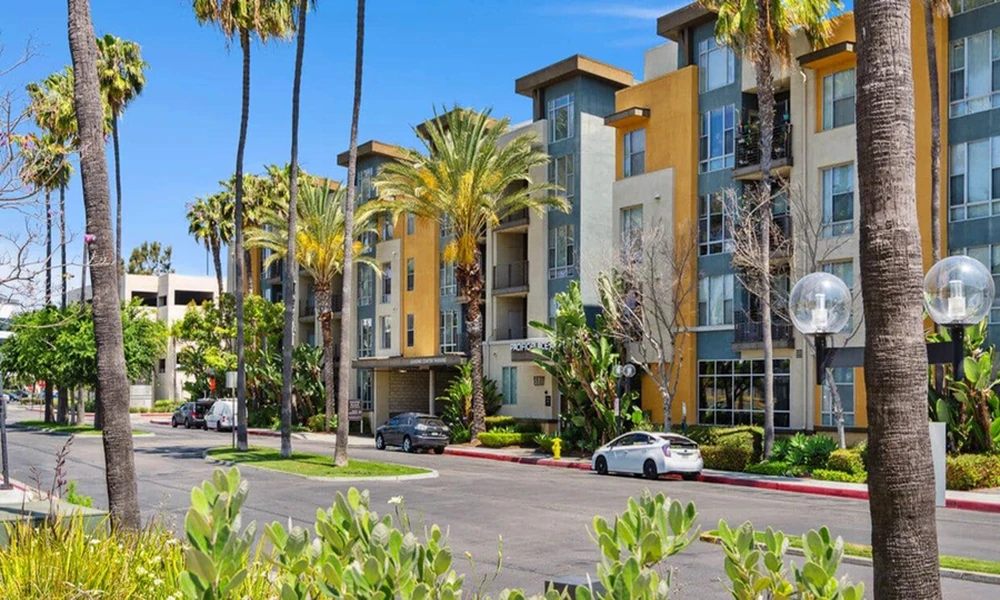
Southern California’s real estate market presents investors with opportunities that require more than identifying properties at attractive prices. While location and market demand are important, successful investments also depend on understanding a property’s operational performance, improvement potential, and long-term financial sustainability.
Value-add real estate investing focuses on properties that may benefit from renovations, better management, improved leasing strategies, or other operational changes. Instead of relying entirely on market appreciation, investors seek to create additional value through deliberate improvements.
However, not every underperforming property represents a worthwhile investment. Understanding how to distinguish genuine opportunities from expensive problems is essential.
Understand What Creates a Value-Add Opportunity
A value-add property typically has room for improvement in its physical condition, financial performance, or operational efficiency.
For example, a multifamily property might experience below-market rental income because its units have outdated interiors or because existing management practices have not kept pace with competing properties. Similarly, a commercial building may have vacant space, inefficient operating expenses, or deferred maintenance affecting its performance.
These issues can create opportunities, but only when improvements are financially justified.
Investors should begin by identifying the specific factors limiting a property’s performance. Common considerations include:
- Physical condition: Are renovations necessary to maintain competitiveness or attract tenants?
- Rental performance: How do existing rents compare with similar properties in the immediate market?
- Operating expenses: Can legitimate efficiencies improve profitability without compromising maintenance or tenant satisfaction?
- Occupancy: Is vacancy caused by correctable management issues or weaker underlying demand?
- Capital requirements: How much additional investment is needed before improvements can produce meaningful returns?
A property is not automatically undervalued because it needs renovations. The potential financial benefit must exceed the total cost and risk of implementing the improvement strategy.
Evaluate Local Market Conditions Before Committing Capital
Southern California contains numerous real estate submarkets with different economic conditions, property characteristics, tenant preferences, and regulatory requirements.
An investment approach that works for a multifamily building in one neighborhood may not produce similar results in another.
Investors should examine employment conditions, household characteristics, transportation access, competing developments, and property-specific demand before making acquisition decisions.
For multifamily properties, local rental trends and tenant affordability can help determine whether proposed improvements support realistic rent assumptions.
Commercial properties require additional analysis. Industrial buildings, for example, may depend heavily on transportation access, loading capabilities, building specifications, and tenant requirements.
Investors should also consider local regulations, including applicable rent restrictions, zoning, permitting requirements, and building standards. These factors can affect renovation timelines, operating flexibility, and projected returns.
Market research becomes particularly important when evaluating Southern California real estate investments, where investment managers may pursue both stabilized acquisitions and value-add repositioning depending on individual property characteristics and long-term objectives.
Rather than relying on regional reputation alone, investors should evaluate each opportunity using neighborhood-level evidence and realistic operating assumptions.
Analyze Financial Performance and Improvement Costs
Financial analysis helps determine whether a property’s anticipated improvements justify its purchase price and associated risks.
One important measure is net operating income (NOI), which represents property revenue after operating expenses but before financing costs, income taxes, and certain capital expenditures.
Investors frequently use NOI to understand current operating performance and estimate how operational changes could influence property value.
However, projected improvements should never be treated as guaranteed results.
For example, renovating apartment units may allow an owner to pursue higher rents, but the financial outcome depends on renovation expenses, achievable rental rates, tenant turnover, vacancy periods, and ongoing maintenance costs.
A comprehensive financial review should consider several areas.
Acquisition and financing costs
The purchase price is only one component of the initial investment. Transaction expenses, financing terms, reserves, and other acquisition-related costs affect the total capital required.
Renovation and capital expenditures
Improvement budgets should account for construction materials, labor, permits, professional services, and potential unexpected repairs. Investors should also distinguish recurring maintenance expenses from major capital improvements.
Operating performance
Reviewing historical income statements, tenant payment patterns, leasing activity, and operating expenses can reveal whether projected performance is reasonable.
Exit assumptions
Expected future property values should reflect plausible operating income and capitalization rates rather than optimistic appreciation forecasts.
Sensitivity analysis can strengthen this evaluation. Investors can test how lower rental growth, higher renovation costs, increased vacancies, or less favorable financing conditions would affect projected returns.
An investment that remains financially manageable under several realistic scenarios may offer a more defensible opportunity than one requiring every assumption to work perfectly.
Assess Execution Risks and Long-Term Investment Potential
Identifying an attractive property is only the beginning. Value-add investing also requires the ability to execute an improvement plan while managing unexpected challenges.
Construction delays, permitting issues, tenant turnover, financing changes, and increasing operating costs can all influence performance.
Investors should evaluate whether the planned improvements are practical within the available budget and timeline.
An experienced property management team can be particularly important when improvements involve occupied buildings. Renovations may need to be coordinated with leasing schedules, tenant communications, and ongoing maintenance obligations.
The investment timeline also deserves attention.
Some properties may require extended periods before renovation programs are complete and financial performance stabilizes. Investors should consider whether their available capital and financing arrangements can support the property throughout that process.
Long-term ownership considerations should include anticipated maintenance requirements, building adaptability, neighborhood competitiveness, and potential changes in tenant demand.
A successful improvement strategy should strengthen the property’s underlying performance rather than depend entirely on finding a buyer willing to pay a higher price.
Investors who prioritize operational sustainability may be better positioned to respond when market conditions change.
Conclusion
Evaluating value-add real estate opportunities in Southern California requires a combination of local market knowledge, financial discipline, and realistic operational planning.
The strongest opportunities are not necessarily properties with the lowest acquisition prices or the most ambitious renovation plans. They are properties where identifiable improvements can create value at a reasonable cost while maintaining manageable risk.
By examining market fundamentals, property conditions, operating performance, capital requirements, and execution challenges, investors can make better-informed acquisition decisions.
Ultimately, thoughtful underwriting and disciplined management provide a stronger foundation for long-term real estate investment than speculation alone.